
TECO GROUP designs and implements hot redundant SCADA configurations that ensure zero downtime for mission-critical operations. In a hot redundant architecture, two SCADA servers operate simultaneously — one as the active master and the other as a live standby — continuously synchronising all process data, alarm states, and historical logs in real time. If the primary server fails, the standby server assumes full control within milliseconds with no loss of data or operator visibility, making this configuration essential for wastewater treatment plants, city-wide water distribution networks, and pumping station SCADA systems where any interruption to monitoring and control can have serious operational and safety consequences.
Our hot redundant SCADA capabilities include:
- Dual-server hot standby architectures with automatic failover and seamless switchover — no operator intervention required.
- Real-time synchronisation of live process data, alarm logs, event journals, and historical trend databases between primary and standby servers.
- Integration with distributed control systems (DCS) and multiple PLC-based outstations across geographically distributed sites.
- Process MIMIC visualisation on multiple operator terminals with live animated graphics mirrored across both servers.
- Communication redundancy via dual network paths using fiber optic, UHF radio, mobile GPRS, or wireless microwave links.
- Scalable from small dual-server installations to large multi-site SCADA networks with dozens of outstations and hundreds of I/O points.
- Full factory and site testing including failover simulation, communication integrity, and functional verification.
TECO GROUP has delivered hot redundant SCADA systems for prestigious infrastructure projects:
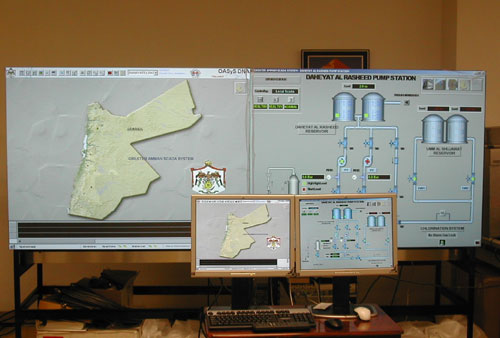
- Greater Amman Water SCADA System (GASS) — hot redundant dual-server SCADA with UHF radio telemetry for city-wide water distribution monitoring across Greater Amman.
- As Samra WWTP — Ain Ghazal Pretreatment — hot redundant DCS for Jordan’s largest wastewater treatment facility, with MCC and MDB integration.
- Wadi Arab WWTP — redundant SCADA system with 12 outstations, 2 main stations, and 3 operator terminals for full plant automation.
- Wadi Shallala Irbid WWTP — DCS with redundant configuration, fiber optic communication, and process MIMIC.
- Miyahuna — Muwaggar PS and Wells — SCADA with redundant monitoring for pumping station rehabilitation.
As Samra WWTP — Hot Redundant SCADA
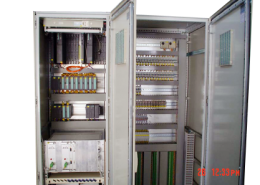
Miyahuna Muwaggar — Redundant SCADA Cabinet
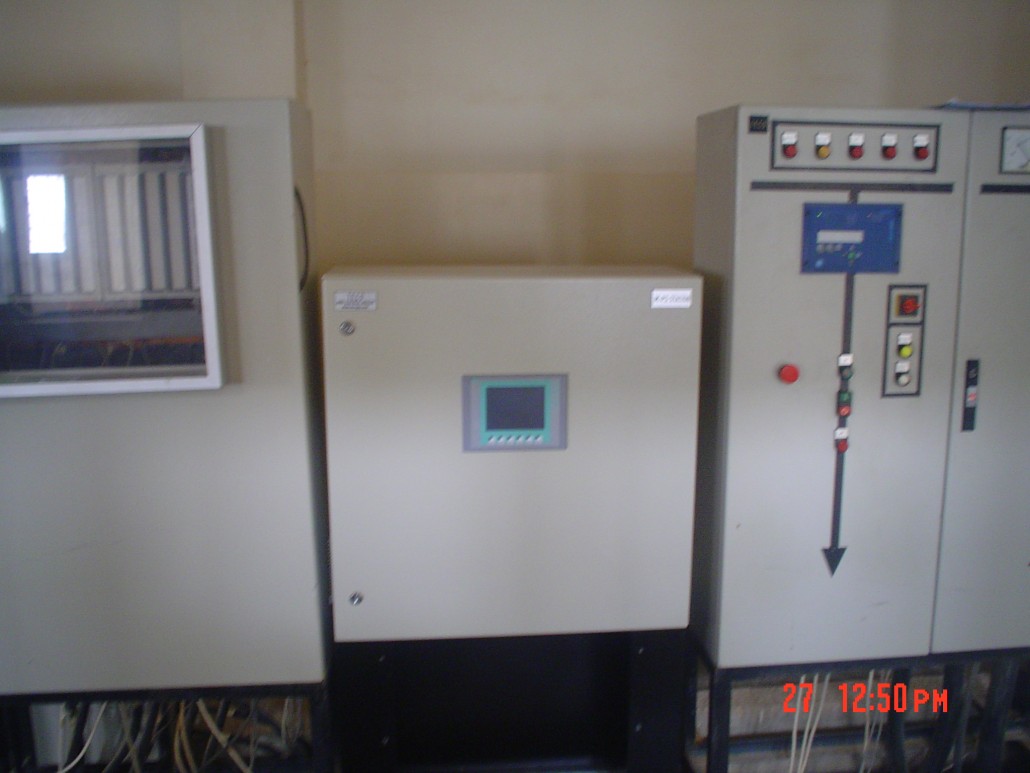
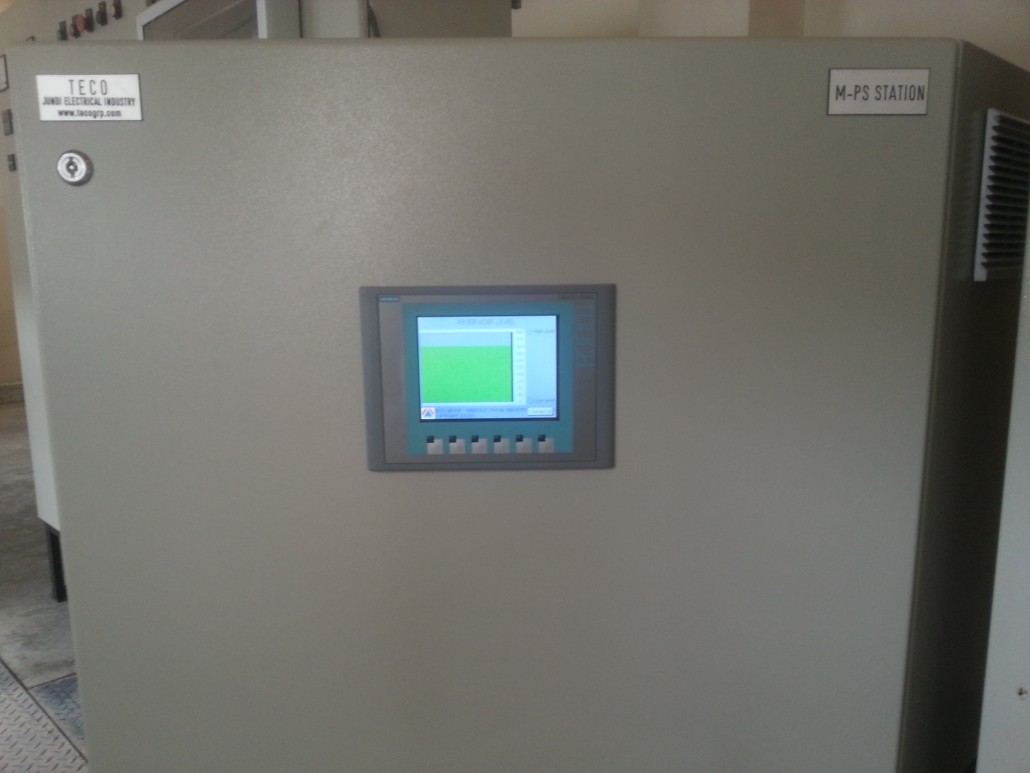
Miyahuna Muwaggar — SCADA Server and RTU
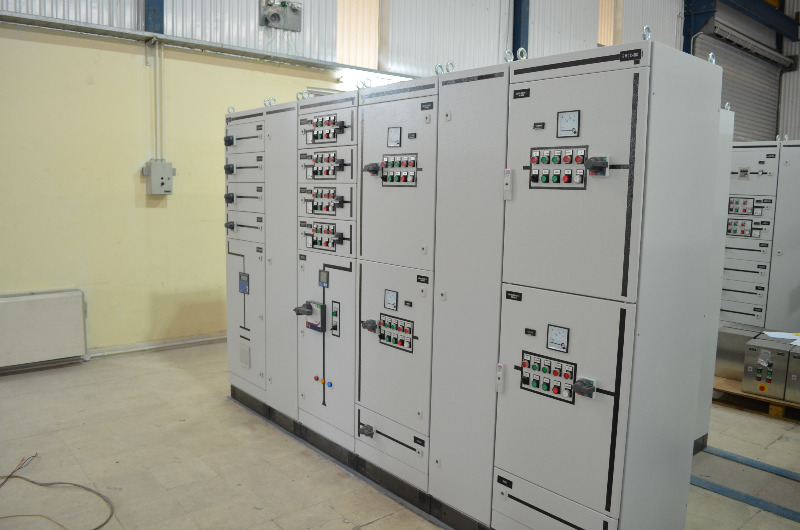
Wadi Shallala WWTP — DCS with Redundancy
 https://tecogrp.com/wp-content/uploads/sa2.jpg
338
500
admin
https://tecogrp.com/wp-content/uploads/logo.png
admin2007-01-06 18:21:222026-03-29 13:38:20Greater Amman Water SCADA Project (GASS)
https://tecogrp.com/wp-content/uploads/sa2.jpg
338
500
admin
https://tecogrp.com/wp-content/uploads/logo.png
admin2007-01-06 18:21:222026-03-29 13:38:20Greater Amman Water SCADA Project (GASS)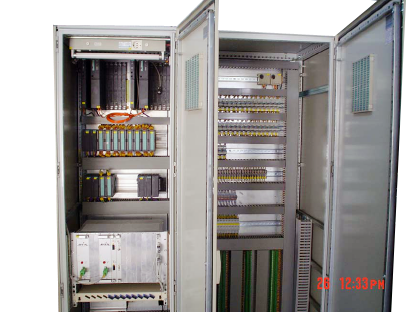 https://tecogrp.com/wp-content/uploads/scada-main.png
312
417
admin
https://tecogrp.com/wp-content/uploads/logo.png
admin2006-01-06 18:24:582026-03-29 13:35:51As Samra Waste Water Treatment Plant – Ain Ghazal Pretreatment
https://tecogrp.com/wp-content/uploads/scada-main.png
312
417
admin
https://tecogrp.com/wp-content/uploads/logo.png
admin2006-01-06 18:24:582026-03-29 13:35:51As Samra Waste Water Treatment Plant – Ain Ghazal Pretreatment